 |
PlantRegMap/PlantTFDB v5.0
Plant Transcription
Factor Database
|
| Home TFext BLAST Prediction Download Help About Links PlantRegMap |
Transcription Factor Information
| Basic Information? help Back to Top | |||||||||
|---|---|---|---|---|---|---|---|---|---|
| TF ID | AA54G00127 | ||||||||
| Organism | |||||||||
| Taxonomic ID | |||||||||
| Taxonomic Lineage |
cellular organisms; Eukaryota; Viridiplantae; Streptophyta; Streptophytina; Embryophyta; Tracheophyta; Euphyllophyta; Spermatophyta; Magnoliophyta; Mesangiospermae; eudicotyledons; Gunneridae; Pentapetalae; rosids; malvids; Brassicales; Brassicaceae; Aethionemeae; Aethionema
|
||||||||
| Family | C2H2 | ||||||||
| Protein Properties | Length: 517aa MW: 57441.3 Da PI: 6.0053 | ||||||||
| Description | C2H2 family protein | ||||||||
| Gene Model |
|
||||||||
| Signature Domain? help Back to Top | |||||||
|---|---|---|---|---|---|---|---|
| No. | Domain | Score | E-value | Start | End | HMM Start | HMM End |
| 1 | zf-C2H2 | 21 | 8.6e-07 | 264 | 285 | 2 | 23 |
                 EETTTTEEESSHHHHHHHHHHT CS
     zf-C2H2   2 kCpdCgksFsrksnLkrHirtH 23
                  C++Cgk F+r  nL+ H+r H
  AA54G00127 264 FCTICGKGFKRDANLRMHMRGH 285
                 6*******************98 PP
| |||||||
| Protein Features ? help Back to Top | ||||||
|---|---|---|---|---|---|---|
| Database | Entry ID | E-value | Start | End | InterPro ID | Description |
| SuperFamily | SSF57667 | 2.29E-5 | 261 | 288 | No hit | No description |
| PROSITE profile | PS50157 | 12.03 | 263 | 290 | IPR007087 | Zinc finger, C2H2 |
| SMART | SM00355 | 0.0026 | 263 | 285 | IPR015880 | Zinc finger, C2H2-like |
| Gene3D | G3DSA:3.30.160.60 | 7.6E-6 | 264 | 316 | IPR013087 | Zinc finger C2H2-type/integrase DNA-binding domain |
| PROSITE pattern | PS00028 | 0 | 265 | 285 | IPR007087 | Zinc finger, C2H2 |
| SMART | SM00355 | 50 | 314 | 347 | IPR015880 | Zinc finger, C2H2-like |
| SMART | SM00355 | 45 | 352 | 374 | IPR015880 | Zinc finger, C2H2-like |
| Gene Ontology ? help Back to Top | ||||||
|---|---|---|---|---|---|---|
| GO Term | GO Category | GO Description | ||||
| GO:0006355 | Biological Process | regulation of transcription, DNA-templated | ||||
| GO:0010044 | Biological Process | response to aluminum ion | ||||
| GO:0010447 | Biological Process | response to acidic pH | ||||
| GO:0005634 | Cellular Component | nucleus | ||||
| GO:0003676 | Molecular Function | nucleic acid binding | ||||
| GO:0003700 | Molecular Function | transcription factor activity, sequence-specific DNA binding | ||||
| GO:0046872 | Molecular Function | metal ion binding | ||||
| Sequence ? help Back to Top |
|---|
| Protein Sequence Length: 517 aa Download sequence Send to blast |
MDTDDDLCPN NWGKSNKLRE PVSSDGNQTF TGFTSQQKWE DTSILDYDMV MEPCLQVFDQ 60 IKAASGQDNN NQVNDDLLQG IRNQAWDPRT MLNNLSFLEQ KIHQLQDLVH MIVGRGGQLP 120 GRQDELATQQ QQLITTDLTS IIIQLISTAG SLLPSVKHNM STLGLYNGQP SSAMFPYPRE 180 ANTVASQSQN INNTSGAQDL DLCKPPTVLD PSCDSKTDER ESHVVEEHEM KDEDDAEEGE 240 NLPPGSYEIL QLEKEEILAP HTHFCTICGK GFKRDANLRM HMRGHGDEYK TPAALAKPNK 300 ESIPGSEPLL IKRYSCPFPG CKRNKDHKKF QPLKTILCVK NHYKRTHCDK SFTCSRCHTK 360 KFSVIADLKT HEKHCGKNKW LCSCGTTFSR KDKLFGHIAL FQGHTPAIPF EETKPAPGPS 420 AHRESSEIGT NPGMVGFNLG SATCTDPETT QAGLMEGKIS FDESFSPLSF DTCNFGGFHE 480 FPRPMFDDSE SSFQLLISSA CGFSPRNNGG SVSNSNL |
| Functional Description ? help Back to Top | ||||||
|---|---|---|---|---|---|---|
| Source | Description | |||||
| UniProt | Probable transcription factor. Together with STOP2, plays a critical role in tolerance to major stress factors in acid soils such as proton H(+) and aluminum ion Al(3+). Required for the expression of genes in response to acidic stress (e.g. ALMT1 and MATE), and Al-activated citrate exudation. {ECO:0000269|PubMed:17535918, ECO:0000269|PubMed:18826429, ECO:0000269|PubMed:19321711, ECO:0000269|PubMed:23935008}. | |||||
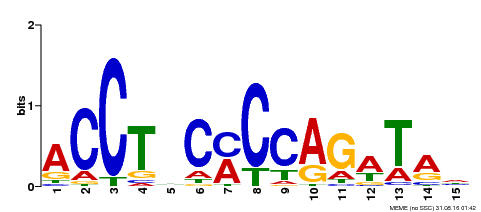
| Binding Motif ? help Back to Top | |||
|---|---|---|---|
| Motif ID | Method | Source | Motif file |
| MP00196 | ampDAP | Transfer from AT1G34370 | Download |
| |||
| Cis-element ? help Back to Top | |
|---|---|
| Source | Link |
| PlantRegMap | AA54G00127 |
| Regulation -- Description ? help Back to Top | ||||||
|---|---|---|---|---|---|---|
| Source | Description | |||||
| UniProt | INDUCTION: By shock H(+) and Al(3+) treatments. {ECO:0000269|PubMed:17535918}. | |||||
| Regulation -- PlantRegMap ? help Back to Top | ||||||
|---|---|---|---|---|---|---|
| Source | Upstream Regulator | Target Gene | ||||
| PlantRegMap | Retrieve | Retrieve | ||||
| Annotation -- Protein ? help Back to Top | |||||||
|---|---|---|---|---|---|---|---|
| Source | Hit ID | E-value | Description | ||||
| Refseq | XP_020867314.1 | 0.0 | protein SENSITIVE TO PROTON RHIZOTOXICITY 1 isoform X1 | ||||
| Swissprot | Q9C8N5 | 0.0 | STOP1_ARATH; Protein SENSITIVE TO PROTON RHIZOTOXICITY 1 | ||||
| TrEMBL | D7KK61 | 0.0 | D7KK61_ARALL; Zinc finger family protein | ||||
| STRING | fgenesh2_kg.1__3547__AT1G34370.2 | 0.0 | (Arabidopsis lyrata) | ||||
| Orthologous Group ? help Back to Top | |||
|---|---|---|---|
| Lineage | Orthologous Group ID | Taxa Number | Gene Number |
| Malvids | OGEM6977 | 26 | 44 |
| Best hit in Arabidopsis thaliana ? help Back to Top | ||||||
|---|---|---|---|---|---|---|
| Hit ID | E-value | Description | ||||
| AT1G34370.2 | 0.0 | C2H2 family protein | ||||
| ©2010-2022, Center
for Bioinformatics, Peking University Last Modified: 2022-12-08 Questions or Comments, please contact  |
Supported By



|