 |
PlantRegMap/PlantTFDB v5.0
Plant Transcription
Factor Database
|
| Home TFext BLAST Prediction Download Help About Links PlantRegMap |
Transcription Factor Information
| Basic Information? help Back to Top | |||||||||
|---|---|---|---|---|---|---|---|---|---|
| TF ID | NNU_007305-RA | ||||||||
| Organism | |||||||||
| Taxonomic ID | |||||||||
| Taxonomic Lineage |
cellular organisms; Eukaryota; Viridiplantae; Streptophyta; Streptophytina; Embryophyta; Tracheophyta; Euphyllophyta; Spermatophyta; Magnoliophyta; Mesangiospermae; eudicotyledons; stem eudicotyledons; Proteales; Nelumbonaceae; Nelumbo
|
||||||||
| Family | C2H2 | ||||||||
| Protein Properties | Length: 534aa MW: 58773.5 Da PI: 6.1357 | ||||||||
| Description | C2H2 family protein | ||||||||
| Gene Model |
|
||||||||
| Signature Domain? help Back to Top | |||||||
|---|---|---|---|---|---|---|---|
| No. | Domain | Score | E-value | Start | End | HMM Start | HMM End |
| 1 | zf-C2H2 | 19.4 | 2.8e-06 | 280 | 301 | 2 | 23 |
                    EETTTTEEESSHHHHHHHHHHT CS
        zf-C2H2   2 kCpdCgksFsrksnLkrHirtH 23
                     C +Cgk F+r  nL+ H+r H
  NNU_007305-RA 280 FCMICGKGFKRDANLRMHMRGH 301
                    59******************98 PP
| |||||||
| Protein Features ? help Back to Top | ||||||
|---|---|---|---|---|---|---|
| Database | Entry ID | E-value | Start | End | InterPro ID | Description |
| SuperFamily | SSF57667 | 5.45E-5 | 277 | 304 | No hit | No description |
| SMART | SM00355 | 0.0057 | 279 | 301 | IPR015880 | Zinc finger, C2H2-like |
| PROSITE profile | PS50157 | 11.697 | 279 | 306 | IPR007087 | Zinc finger, C2H2 |
| Gene3D | G3DSA:3.30.160.60 | 1.5E-5 | 280 | 330 | IPR013087 | Zinc finger C2H2-type/integrase DNA-binding domain |
| PROSITE pattern | PS00028 | 0 | 281 | 301 | IPR007087 | Zinc finger, C2H2 |
| SMART | SM00355 | 56 | 328 | 361 | IPR015880 | Zinc finger, C2H2-like |
| SMART | SM00355 | 21 | 366 | 388 | IPR015880 | Zinc finger, C2H2-like |
| Gene Ontology ? help Back to Top | ||||||
|---|---|---|---|---|---|---|
| GO Term | GO Category | GO Description | ||||
| GO:0006355 | Biological Process | regulation of transcription, DNA-templated | ||||
| GO:0010044 | Biological Process | response to aluminum ion | ||||
| GO:0010447 | Biological Process | response to acidic pH | ||||
| GO:0005634 | Cellular Component | nucleus | ||||
| GO:0003676 | Molecular Function | nucleic acid binding | ||||
| GO:0003700 | Molecular Function | transcription factor activity, sequence-specific DNA binding | ||||
| GO:0046872 | Molecular Function | metal ion binding | ||||
| Sequence ? help Back to Top |
|---|
| Protein Sequence Length: 534 aa Download sequence Send to blast |
MDLKGRRCSE AWPKSRLGND SLKTLTLDLE PFNQFNSLQQ NQKWNGPDNF DYGYRIATSY 60 SEVNPLPAPL SSNPDNQIKT PSQVDKQTIE ALISASKLQD WDPRTMLSNL SFLEQKIHQL 120 QDLVHLIVGR EGRAVGRPDE IEAQQQQLVT ADLTSIIVQL ISTAGSLLPS VKNTLAANPF 180 VGQLGSSSGV GFPHILDAND AMQQDNGGSK VSDHSDQIEP PSNCRHEQNN GGQSNPLVST 240 IEEHDPKDEE DAGEGENLPP GSYEVLQLEK EEILAPHTHF CMICGKGFKR DANLRMHMRG 300 HGDEYKTPAA LAKPQKESNS EPMLIKRYSC PFAGCKRNKD HKKFQPLKTI LCVKNHYKRT 360 HCDKSYTCSR CNSKKFSVIA DLKTHEKHCG RDKWLCSCGT TFSRKDKLFG HIALFQGHTP 420 ALPPEENKVS SGASDLGGSS EVTETTQVEP TGFNFSSGTS NVGSIQDDVD MKGNVDDPTG 480 YFSPLNFDTC NFGGFHEFPR PPFEVSDSSF AFLLSGSCNY ISKTGGASGS DALE |
| Functional Description ? help Back to Top | ||||||
|---|---|---|---|---|---|---|
| Source | Description | |||||
| UniProt | Probable transcription factor. Together with STOP2, plays a critical role in tolerance to major stress factors in acid soils such as proton H(+) and aluminum ion Al(3+). Required for the expression of genes in response to acidic stress (e.g. ALMT1 and MATE), and Al-activated citrate exudation. {ECO:0000269|PubMed:17535918, ECO:0000269|PubMed:18826429, ECO:0000269|PubMed:19321711, ECO:0000269|PubMed:23935008}. | |||||
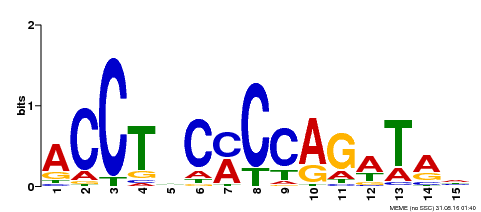
| Binding Motif ? help Back to Top | |||
|---|---|---|---|
| Motif ID | Method | Source | Motif file |
| MP00196 | ampDAP | Transfer from AT1G34370 | Download |
| |||
| Regulation -- Description ? help Back to Top | ||||||
|---|---|---|---|---|---|---|
| Source | Description | |||||
| UniProt | INDUCTION: By shock H(+) and Al(3+) treatments. {ECO:0000269|PubMed:17535918}. | |||||
| Annotation -- Protein ? help Back to Top | |||||||
|---|---|---|---|---|---|---|---|
| Source | Hit ID | E-value | Description | ||||
| Refseq | XP_010256329.1 | 0.0 | PREDICTED: protein SENSITIVE TO PROTON RHIZOTOXICITY 1 | ||||
| Refseq | XP_010256330.1 | 0.0 | PREDICTED: protein SENSITIVE TO PROTON RHIZOTOXICITY 1 | ||||
| Swissprot | Q9C8N5 | 0.0 | STOP1_ARATH; Protein SENSITIVE TO PROTON RHIZOTOXICITY 1 | ||||
| TrEMBL | A0A1U7ZVU2 | 0.0 | A0A1U7ZVU2_NELNU; protein SENSITIVE TO PROTON RHIZOTOXICITY 1 | ||||
| STRING | XP_010256329.1 | 0.0 | (Nelumbo nucifera) | ||||
| Best hit in Arabidopsis thaliana ? help Back to Top | ||||||
|---|---|---|---|---|---|---|
| Hit ID | E-value | Description | ||||
| AT1G34370.2 | 0.0 | C2H2 family protein | ||||
| ©2010-2022, Center
for Bioinformatics, Peking University Last Modified: 2022-12-08 Questions or Comments, please contact  |
Supported By



|